Handcrafted vs. Mass-Produced: The Unique Value of Indonesian Artisan Woodworking
In a global market flooded with factory automation, CNC-cut plywood, and flat-pack particle board, there is a tangible soul in Indonesian furniture that machines simply cannot replicate. While modern technology offers speed, it lacks the intuition of a master carpenter. At Nusa Malacca, we believe in a balanced approach. We utilize modern machinery for precision cutting to ensure consistency in dimensions, but the heart of our production—the assembly, fitting, and finishing—remains strictly in the hands of skilled artisans.
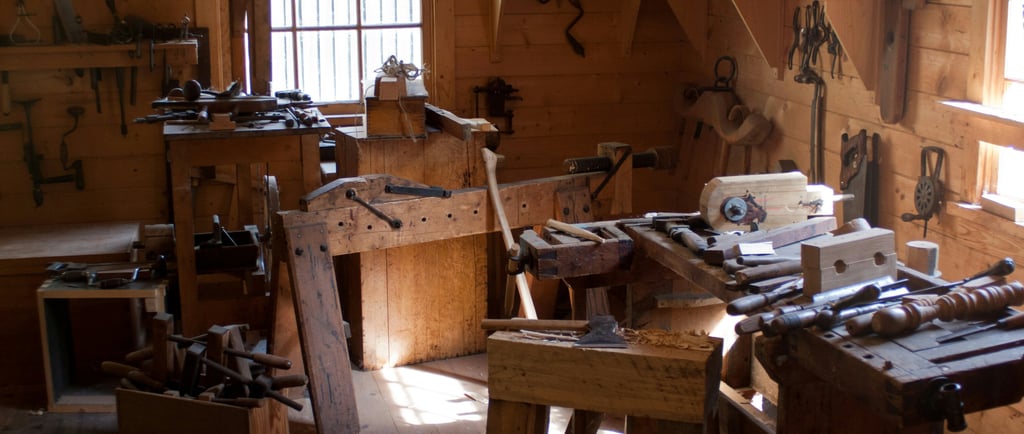
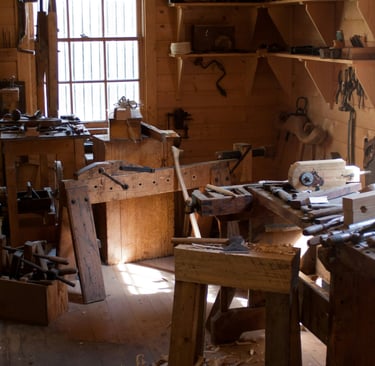
Here is why investing in handcrafted Indonesian furniture offers superior value to your customers compared to mass-produced alternatives.
1. The Art of Joinery: Strength Beyond Screws
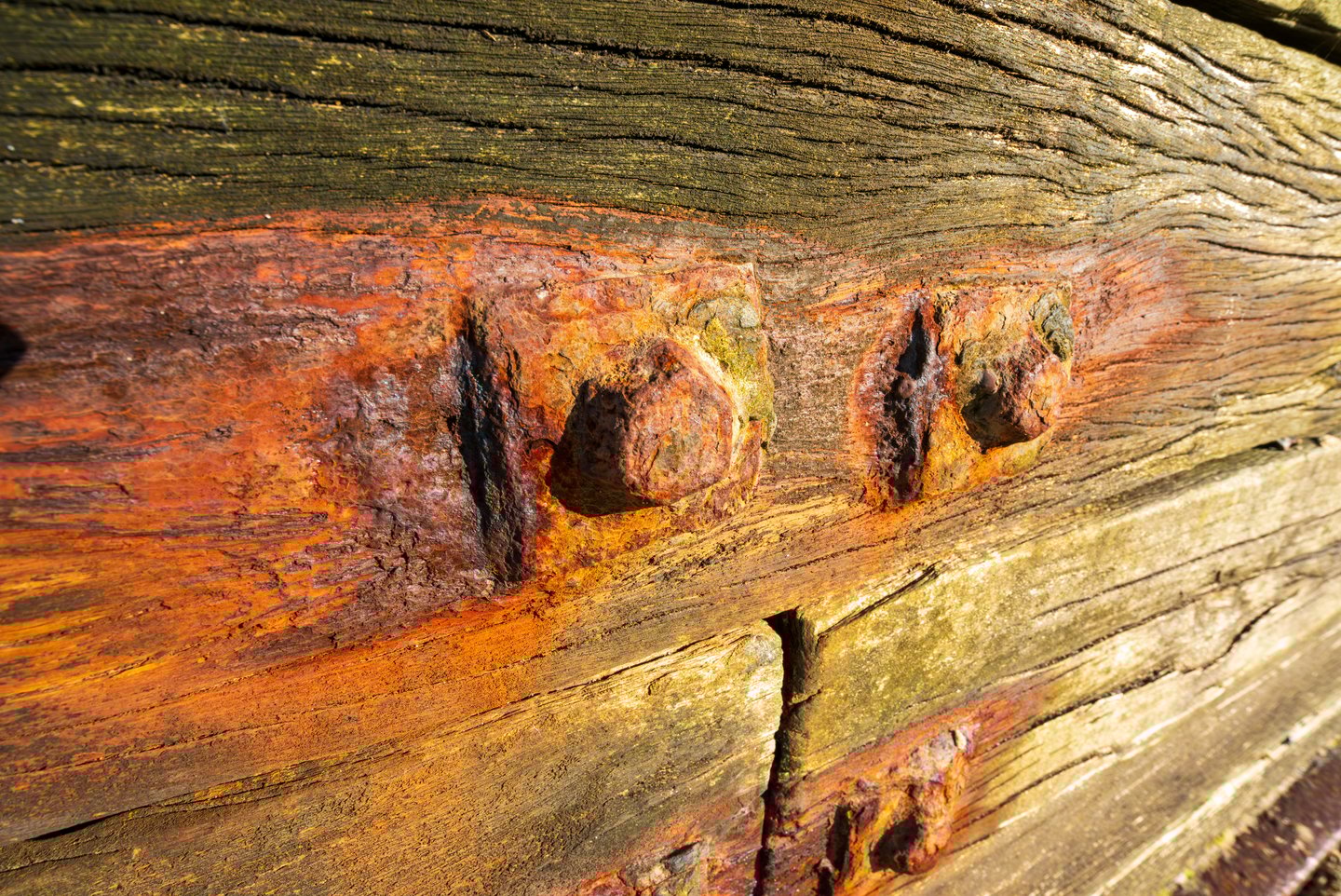
Mass-produced furniture typically relies on metal screws, staples, and dowels for quick assembly. While efficient for the factory, this creates a weak point. Over time, metal rusts, screws strip the wood, and joints loosen as the timber naturally expands and contracts with humidity changes.
Our Standard (Mortise and Tenon): We utilize traditional Mortise and Tenon and Dovetail joinery. These are among the oldest and strongest methods of connecting wood.
Why it lasts longer: By interlocking the wood fibers themselves (wood-on-wood connection), the joint moves naturally with the furniture, creating a bond that is often stronger than the wood itself. A handcrafted chair from Nusa Malacca isn't just built for this season; it is built for the next generation.
2. The Tactile Experience: Hand-Sanding
A machine can sand a flat surface, but it cannot "feel" a curve. Automated sanders often miss subtle rough spots on legs or armrests, or conversely, over-sand and flatten beautiful details.
The Human Touch: Our sanding process involves up to four stages of hand-finishing. Our artisans hand-sand every curve, armrest, and corner. They rely on their fingertips—not just their eyes—to detect even the slightest roughness.
The Result: Furniture with a buttery-smooth finish that invites touch—a crucial selling point when your end-customer walks into a showroom and runs their hand along a dining table.
3. Repairability: An Overlooked Asset
One major disadvantage of mass-produced, veneer-covered furniture is that it is difficult to repair. A deep scratch often reveals the particle board underneath, ruining the piece.
Handcrafted, solid wood furniture is different.
Easy Maintenance: Because our pieces are crafted from solid materials and finished by hand, scratches or dents can often be steamed out or sanded down and re-oiled by the owner.
Longevity: This repairability adds immense value to the consumer lifecycle, fitting perfectly with the sustainable “Buy Once, Buy Well" movement.
4. Celebrating Uniqueness: The Eye of the Craftsman
Wood is a living material. Every plank of teak has a unique grain pattern, knot structure, and color variation.
Automated vs. Artisan: A machine cuts blindly based on a digital file. An artisan, however, reads the wood. Our craftsmen know exactly how to orient a plank to showcase a beautiful cathedral grain on a table top, or how to place a sturdy knot in a non-structural area to add character. This curatorial eye ensures that every piece is aesthetically balanced.
5. Supporting a Living Heritage
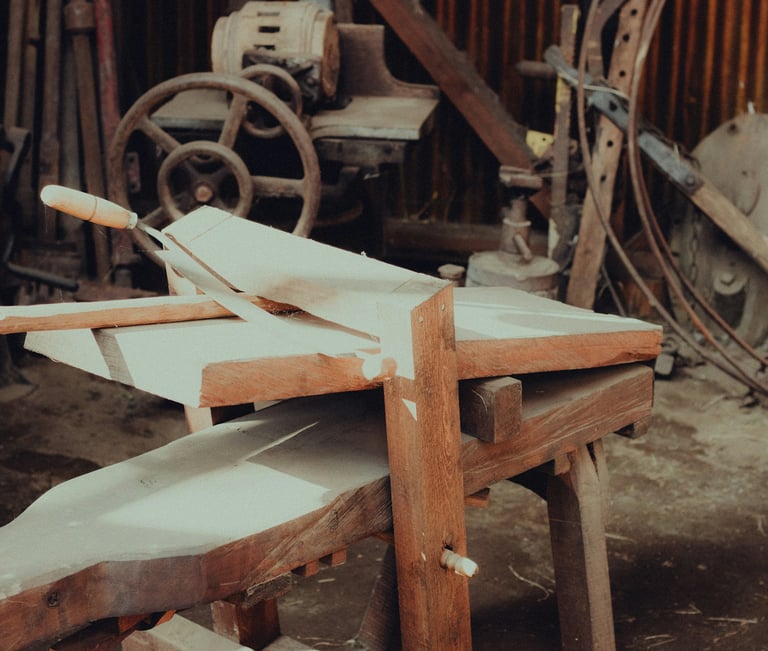
When you source from us, you are not just buying a product; you are keeping a tradition alive. Java, Indonesia, has a centuries-old history of wood carving and carpentry (dating back to the Jepara carving traditions).
By partnering with Nusa Malacca, you are supporting a sustainable ecosystem of local artisans, ensuring that these specialized skills—using chisels, planes, and hand saws—are passed down to the next generation, preventing them from being lost to total automation.
\
Conclusion
In a world of uniformity, Handmade is the new luxury. It represents time, attention, and humanity. Offer your customers something with character, durability, and a story.