Maximizing Container Loadability: Smart Logistics to Reduce Your Landed Cost
In the international furniture business, the factory price is only half the story. Smart importers know that the real metric for profitability is the Landed Cost—the final cost of the product once it arrives at your warehouse. At Nusa Malacca, we believe you shouldn't pay to ship air. With our strong background in logistics and export operations, we help our clients maximize their investment by scientifically optimizing Container Loadability.
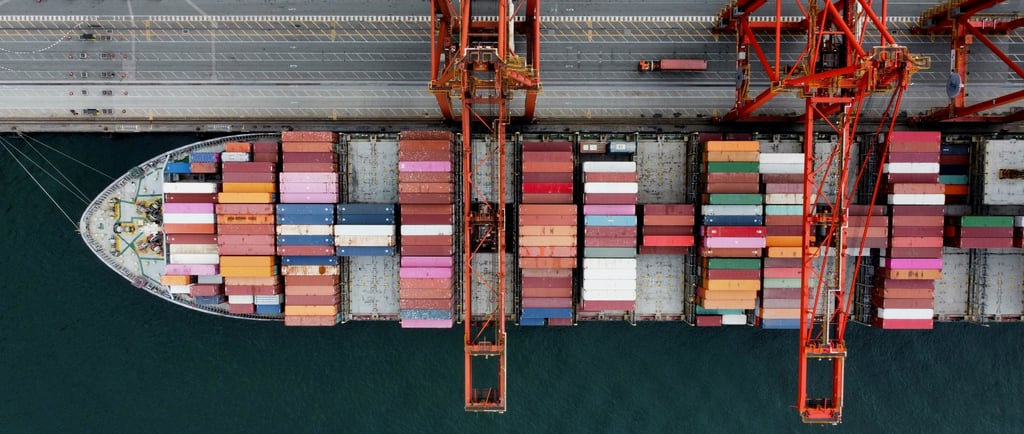
Here is how we help you slash shipping costs without compromising on quality.
1. The Power of Knock-Down (KD) Design
The most effective way to reduce volume is to rethink construction. We prioritize designs that can be flat-packed (Knock-Down) without losing structural integrity.
Volume Efficiency (The Math of Profit): Consider a standard dining chair. Fully assembled, it might occupy 0.4 CBM. The same chair, engineered as a KD unit, might only take up 0.1 CBM.
The Result: You can ship 4x more product for the same freight cost, drastically lowering the shipping cost per unit.
Assembly Made Easy: A common fear with KD furniture is difficult assembly. We solve this by:
Using high-quality brass hardware that fits perfectly and doesn't rust.
Providing clear, simple instructions so your end-customer can assemble it effortlessly.
2. The Art of "The Mix" (Tetris Loading)
Not all furniture needs to be KD. However, shipping a container full of only large, fully assembled items (like daybeds or rigid tables) results in a lot of wasted empty space.
We recommend the "Mix and Match" strategy:
The Anchors: Fill the bulk of the container with your large, high-value items (Tables, Benches).
The Fillers: Utilize the gaps, corners, and spaces underneath tables with smaller items like stools, side tables, or accessories.
By utilizing every inch of vertical and horizontal space, we ensure your container achieves a high Loadability Factor, spreading the fixed shipping cost across more units.
3. Engineering for the Container
Our design process starts with the container in mind. We often adjust product dimensions slightly—for example, tweaking a table length by a few centimeters—to ensure that boxes fit perfectly side-by-side in a standard 20ft or 40ft HC container, eliminating dead space rows.
Conclusion
Don't let high ocean freight eat into your margins. Partner with a manufacturer who understands logistics as well as they understand wood.
Ready to plan your next shipment? Contact us for a loadability calculation on your desired order list.